
5 Causes of Pressure Loss and Pump Repairs in Tavares, FL
A steady flow of clean water is essential for daily living; cooking, cleaning, bathing, and sanitation all depend on consistent water pressure. When that flow diminishes without warning or stops altogether, it signals a potential issue within your well system that should not be ignored. A sudden drop in water pressure can stem from various sources, some of which may seem minor but can lead to extensive damage if left unattended.
For homeowners in Tavares, FL, understanding the root cause behind these disruptions is the first step toward restoring normal function and avoiding costly pump repairs down the line. Whether the problem lies in mechanical failure, electrical malfunction, or infrastructure wear, timely intervention ensures long-term reliability. Recognizing early symptoms allows you to act before total system breakdown occurs. If you're facing inconsistent water delivery, now is the time to investigate.
These are 5 common causes of water pressure loss and pump repairs:
1. Pressure Tank Failure Can Disrupt System Balance
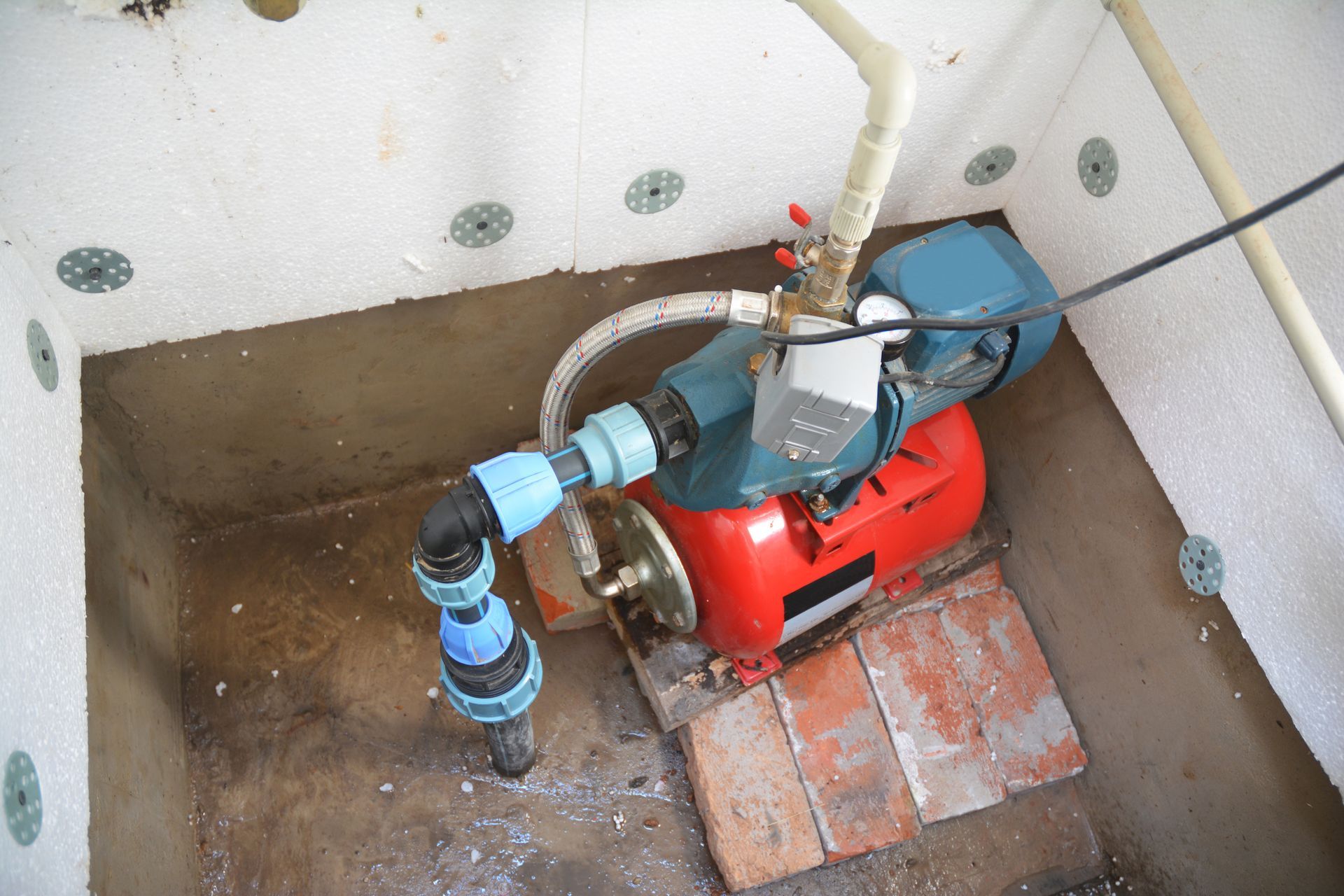
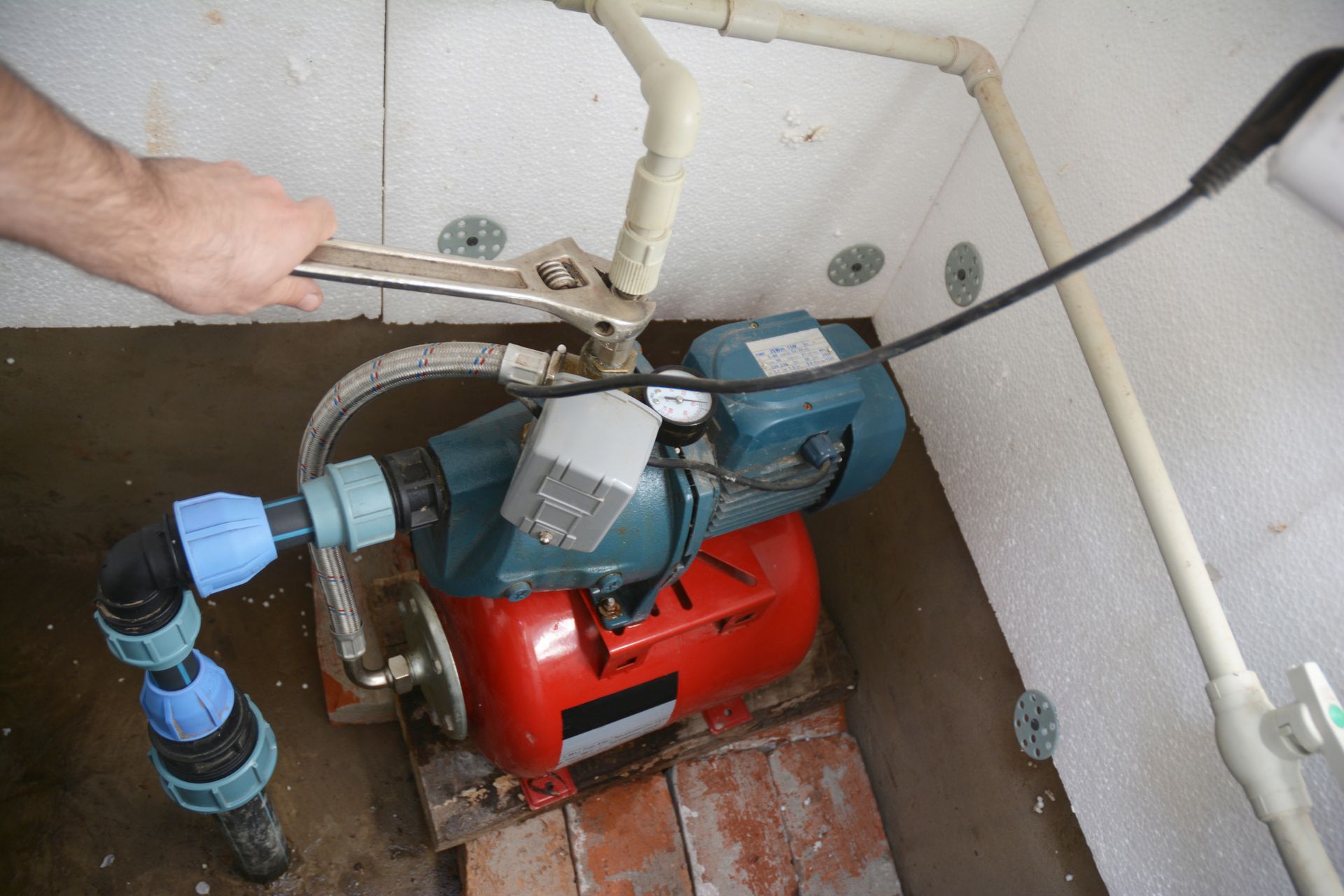
The pressure tank plays a vital role in maintaining stable water pressure throughout your household plumbing. It works by storing pressurized water, so the pump doesn’t have to cycle on every time a faucet opens. Over time, however, internal components such as bladders or diaphragms degrade due to constant expansion and contraction. When this happens, the tank becomes waterlogged, filled with liquid instead of air, which compromises its ability to regulate pressure effectively.
As a result, the pump cycles rapidly, leading to increased wear and eventual burnout. You might notice short bursts of water followed by silence, or hear loud banging noises in the pipes when water is used. These are telltale signs of a failing pressure tank. Technicians diagnose this condition by measuring the pre-charge air pressure using calibrated gauges. If the reading is too low or non-existent, the tank may require recharging or replacement. Additionally, rust, corrosion, or physical leaks around the tank base indicate structural compromise. Since improper tank operation places undue stress on the entire system, addressing these concerns promptly with timely pump repairs helps preserve other components. Maintaining proper air-to-water ratios extends both pump life and overall system efficiency.
2. Clogged Pipes and Filters Restrict Water Flow
Another frequent contributor to reduced water pressure is blockage within the distribution network. Sediment, mineral deposits, sand, and organic matter can accumulate over time, particularly in older homes with galvanized steel piping or inadequate filtration systems. Even modern polyethylene lines are susceptible to clogs if debris enters the well during maintenance or after heavy rainfall. Point-of-use and point-of-entry filters serve as the first line of defense against contaminants, but they must be cleaned or replaced regularly. A neglected filter quickly becomes saturated, restricting water passage and mimicking pump failure, needing pump repairs in Tavares, FL.
Similarly, corroded valves, scale buildup in faucets, or partially closed shutoffs can impede flow. To determine where the restriction exists, technicians perform flow rate tests at multiple fixtures and inspect key access points. In more complex cases, video pipe inspection tools allow visualization inside buried or inaccessible lines. Once located, obstructions are cleared through flushing, chemical treatment, or mechanical removal.
Preventative maintenance, including routine filter changes and annual system flushes, significantly reduces the likelihood of future clogs. Ensuring smooth water movement protects not only pressure levels but also appliance performance, such as water heaters and washing machines. For persistent issues, upgrading filtration systems or installing whole-house softeners may be advised. Addressing flow restrictions early prevents unnecessary strain on the pump motor and avoids secondary complications and pump repairs. Consistent water quality and pressure rely heavily on clean, unobstructed pathways.
3. Electrical Issues May Halt Pump Operation
Electrical malfunctions represent one of the most common yet often misunderstood causes of pump failure. The submersible or jet pump depends on a network of wiring, control boxes, capacitors, pressure switches, and circuit breakers to operate safely and efficiently. Any disruption in this chain, such as loose connections, damaged insulation, tripped breakers, or failed components, can interrupt power delivery and stop water flow entirely. A faulty pressure switch, for instance, may fail to signal the pump to activate when pressure drops below the set threshold.
This results in dry faucets despite adequate water in the well. Other indicators include humming sounds from the control box, flickering lights when the pump engages, or a complete lack of response when attempting to restart the system. Licensed water pump repair technicians use digital multimeters and insulation resistance testers to evaluate voltage, continuity, grounding, and amperage draw. They examine junction boxes, motor starters, and overload protectors to pinpoint faults. Moisture intrusion, rodent damage, or outdated electrical panels increase the risk of failure. Because working with high-voltage equipment poses serious safety hazards, electrical repairs should never be attempted by untrained individuals. When electrical concerns arise, trusted providers of pump repair in Tavares, FL, offer safe, code-compliant solutions backed by years of field experience.
4. Worn Pump Components Reduce Efficiency
Even with regular upkeep, mechanical wear eventually affects pump performance, necessitating pump repairs in the future. Submersible pumps contain precision-engineered parts such as impellers, diffusers, shafts, and bearings that degrade over thousands of operational hours. As these components erode or become misaligned, the pump loses hydraulic efficiency, resulting in lower output pressure and diminished flow. Signs of internal wear include unusual grinding or vibrating noises coming from the well casing, delayed water delivery, or gradual pressure decline preceding total failure.
Groundwater conditions play a significant role in wear rates; high sand content, abrasive minerals, or corrosive elements accelerate deterioration. During evaluation, technicians analyze pump performance curves, measure discharge pressure, and assess motor amperage to detect inefficiencies.
Modern variable speed pumps offer improved control and reduced cycling, extending system lifespan. Regular performance monitoring allows early detection of declining output before complete failure occurs. Preventative inspections help identify wear trends and inform replacement planning. For lasting results, only certified professionals should handle pump extraction, installation, and integration with existing controls. Dependable pump repair in Tavares, FL, includes complete system assessments to match new equipment with current needs.
5. Faulty Well Construction or Low Water Levels
In certain cases, pressure problems originate not from the pump itself but from the well structure or aquifer conditions. During drought periods, groundwater levels may drop below the pump intake, causing it to draw air instead of water. This leads to cavitation, overheating, and eventual motor failure. Similarly, a deteriorated well seal, cracked casing, or collapsed screen allows sediment entry, damaging internal components, and reducing yield. Older wells built without modern materials or techniques are especially vulnerable to structural degradation. Professionals conduct drawdown tests, measure static water levels, and evaluate well yield to determine sustainability and the need for pump repairs.
For homes relying on private wells, understanding source limitations is critical. When system performance declines unexpectedly, a holistic approach considers both equipment and resource availability. Comprehensive diagnostics address every possible factor, ensuring accurate conclusions and effective remedies. For expert analysis and dependable service, choose a provider known for excellence in pump repair.
Seek Professional Help for Lasting Results
For fast, accurate diagnostics and durable repairs, call Mr. Pump at
352-326-9494. Serving Tavares, FL, and surrounding areas, we deliver trusted pump repair solutions for residential, commercial, and industrial clients. Call today to schedule your appointment and restore reliable water flow to your property.